"WATER GARDENS UNVEILED - DESIGNING TRANQUIL AQUATIC RETREATS": DE MODE GLOBAL
- DE MODE

- May 25, 2024
- 4 min read
ORIGINALLY PUBLISHED IN DE MODE | GARDENING
Article Published on: 25TH MAY 2024 | www.demodemagazine.com
Water gardens, serene sanctuaries that blend the natural beauty of water with artistic landscaping, have captivated humans for centuries. These tranquil aquatic retreats are not merely about aesthetics; they offer a soothing escape from the hustle and bustle of everyday life. Designing a water garden involves a harmonious combination of water features, plant life, and thoughtful layout to create a peaceful haven. This article delves into the principles and elements of water garden design, providing insights to help you create your own tranquil aquatic retreat.
The Essence of Water Gardens
At its core, a water garden is an aquatic ecosystem designed to mimic natural bodies of water such as ponds, streams, and waterfalls. The presence of water brings a sense of calm and rejuvenation, with the gentle sounds of flowing water and the reflective surfaces adding to the overall serenity. The design of a water garden incorporates various elements that together create a balanced and aesthetically pleasing environment.

Key Elements of Water Garden Design
Water Features: The centerpiece of any water garden is its water feature. This can range from a simple pond to elaborate multi-tiered waterfalls. Ponds can be designed to accommodate fish, such as koi or goldfish, adding a dynamic element to the garden. Waterfalls and fountains not only enhance visual appeal but also introduce the soothing sound of flowing water, which can mask background noise and promote relaxation.
Aquatic Plants: Plants play a crucial role in water gardens, contributing to both the ecological balance and visual beauty. There are three main types of aquatic plants:
Submerged plants: These grow entirely underwater and help oxygenate the water, keeping it clear and healthy.
Marginal plants: These grow along the edges of the pond, partially submerged, and include species like water lilies and irises.
Floating plants: Such as water lettuce and duckweed, these plants float on the surface and provide shade, reducing algae growth and maintaining cooler water temperatures.
Hardscaping: The non-plant elements, such as rocks, pebbles, and pathways, form the structure of the water garden. Stones and boulders can be used to create natural-looking edges for ponds and streams, while gravel and sand pathways provide access and invite exploration. Bridges and stepping stones can add charm and functionality, allowing for intimate interactions with different parts of the garden.
Wildlife: A well-designed water garden attracts various forms of wildlife, from dragonflies and frogs to birds and butterflies. Introducing fish not only adds movement and color but also helps control mosquito populations. Creating a habitat that supports diverse wildlife enhances the garden's ecosystem and offers educational opportunities for observing nature.
Designing Your Water Garden
When designing a water garden, several key considerations ensure that the final result is both beautiful and sustainable.
Site Selection: Choose a location that receives ample sunlight, as most aquatic plants thrive with at least six hours of sunlight per day. Consider the proximity to trees, as falling leaves can accumulate in the water, requiring additional maintenance.
Size and Shape: The size and shape of your water garden should complement the overall landscape of your property. Smaller gardens can be intimate and manageable, while larger ponds or streams offer more design possibilities. Consider the scale of surrounding elements to ensure the water garden feels integrated and proportional.
Water Quality: Maintaining good water quality is crucial for the health of plants and fish. Incorporate filtration systems and aeration devices to keep the water clean and oxygenated. Regular maintenance, such as removing debris and checking water parameters, ensures a thriving aquatic environment.
Aesthetic Balance: Strive for a balance between plant life, water features, and hardscaping elements. Varying heights, textures, and colors create visual interest and depth. Group plants in clusters and use a mix of tall grasses, flowering plants, and ground covers to achieve a natural look.
Sustainability: Opt for native plants and materials that blend seamlessly with the local environment. Native plants are well-adapted to the climate and require less maintenance. Incorporate rainwater harvesting systems to reduce water usage and promote sustainability.
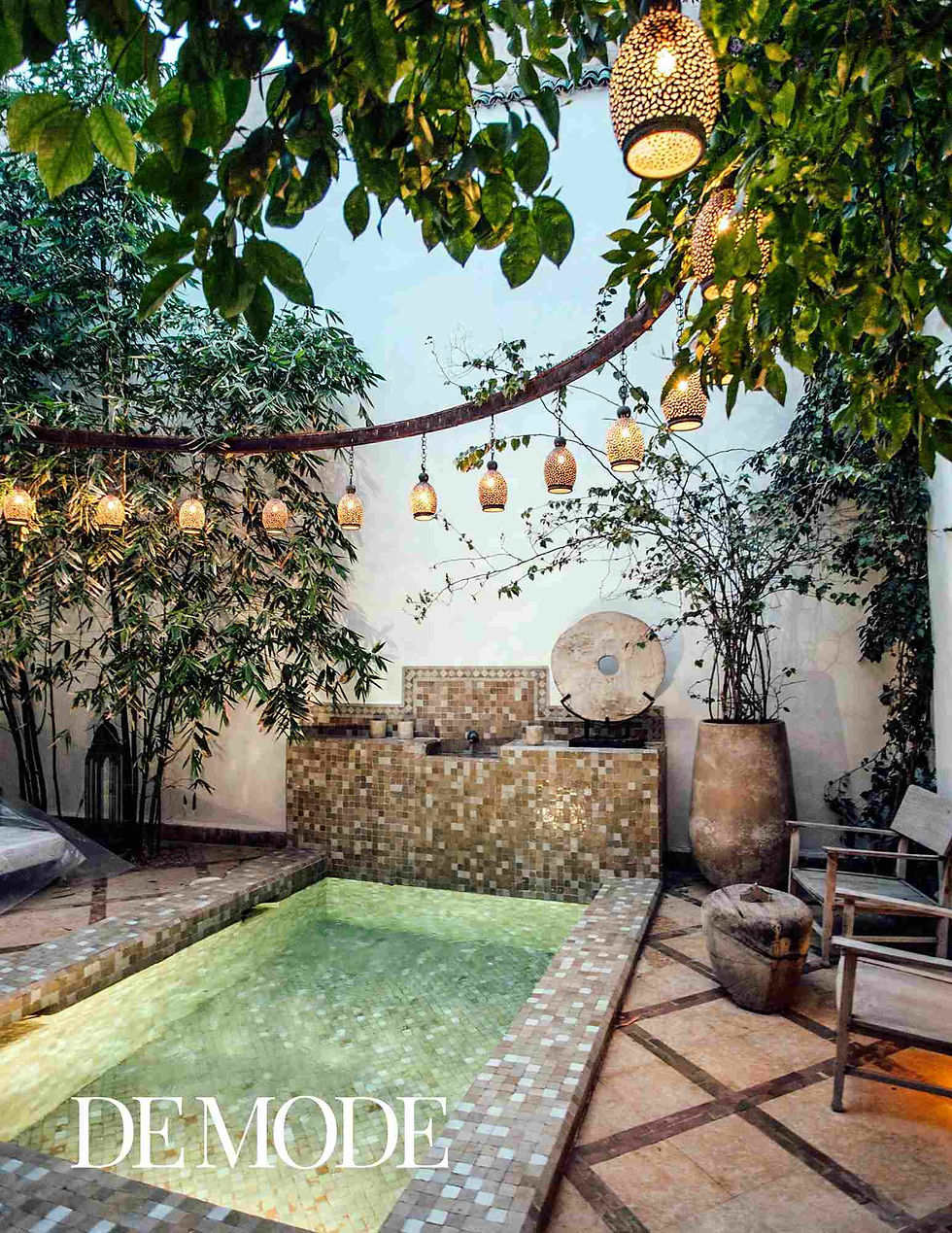
The Benefits of Water Gardens
The allure of water gardens extends beyond their visual appeal. They offer numerous benefits that enhance overall well-being and environmental health.
Stress Reduction: The presence of water has a calming effect, reducing stress and promoting mental clarity. The sound of water, in particular, can be therapeutic, encouraging relaxation and meditation.
Biodiversity: Water gardens support a diverse range of plant and animal species, contributing to local biodiversity. They provide habitats for various forms of wildlife, creating a balanced and thriving ecosystem.
Temperature Regulation: Water bodies help moderate temperature by cooling the surrounding area, making them ideal for hot climates. The evaporative cooling effect of water can create a more comfortable microclimate in your garden.
Aesthetic Value: A well-designed water garden enhances the aesthetic value of your property, potentially increasing its market value. It serves as a focal point and a gathering space for family and friends, offering year-round beauty.

Conclusion
Creating a water garden is a rewarding endeavor that combines artistry with ecology. By carefully selecting water features, plants, and hardscaping elements, you can design a tranquil aquatic retreat that offers both beauty and functionality. Whether you are drawn to the meditative qualities of a koi pond, the vibrant life of a wetland habitat, or the soothing sounds of a cascading waterfall, a water garden provides a unique way to connect with nature and enjoy a serene outdoor space. Embrace the journey of designing your water garden and discover the endless possibilities for creating your own slice of aquatic paradise.


Comments