"NURTURING WILDFLOWERS - RESTORING NATIVE BLOOMS IN YOUR AREA": DE MODE GLOBAL
- DE MODE

- Mar 27, 2024
- 3 min read
ORIGINALLY PUBLISHED IN DE MODE | GARDENING
Article Published on: 27TH MAR 2024 | www.demodemagazine.com
Wildflowers hold a special place in ecosystems, providing vital habitats for pollinators, enhancing biodiversity, and adding natural beauty to landscapes. However, many native wildflowers face threats from habitat loss, invasive species, and environmental degradation. Nurturing native wildflowers in your area is not only a gesture towards conservation but also a way to restore the delicate balance of local ecosystems. In this exploration, we delve into the process of nurturing three native wildflowers: black-eyed Susan, butterfly weed, and bluebonnet, and the benefits they bring to their habitats.
Black-eyed Susan (Rudbeckia hirta): Black-eyed Susan, with its cheerful yellow petals and distinctive dark center, is a beloved native wildflower found across North America. Thriving in a variety of habitats, from meadows to woodland edges, black-eyed Susans play a crucial role in supporting pollinators and wildlife.
Nurturing black-eyed Susans in your area begins with understanding their preferred growing conditions. These hardy wildflowers prefer well-drained soil and full sunlight, making them suitable for open meadows, roadside plantings, or garden borders. Establishing a habitat conducive to black-eyed Susans involves minimal maintenance, allowing them to self-seed and naturalize over time.
Beyond their aesthetic appeal, black-eyed Susans provide essential resources for native pollinators such as bees, butterflies, and hummingbirds. Their nectar-rich flowers attract a diverse array of pollinators, contributing to the health and resilience of local ecosystems. By nurturing black-eyed Susans in your area, you contribute to the preservation of native flora and the conservation of pollinator populations.

Butterfly Weed (Asclepias tuberosa): Butterfly weed, with its vibrant orange flowers and slender foliage, is a cherished native wildflower known for its role in supporting monarch butterflies. As a member of the milkweed family, butterfly weed serves as a vital host plant for monarch caterpillars, making it essential for their survival.
Nurturing butterfly weed in your area requires attention to its specific growing requirements. These drought-tolerant wildflowers thrive in well-drained soil and full sunlight, making them well-suited for prairie habitats, meadows, or butterfly gardens. Establishing a habitat conducive to butterfly weed involves avoiding the use of pesticides and herbicides, as these chemicals can harm both the plant and the pollinators it supports.
The ecological significance of butterfly weed extends beyond its role as a monarch host plant. Its nectar-rich flowers attract a variety of pollinators, including bees, butterflies, and hummingbirds, enhancing the biodiversity of local ecosystems. By nurturing butterfly weed in your area, you create a haven for pollinators and contribute to the conservation of monarch butterflies, whose populations face threats from habitat loss and climate change.

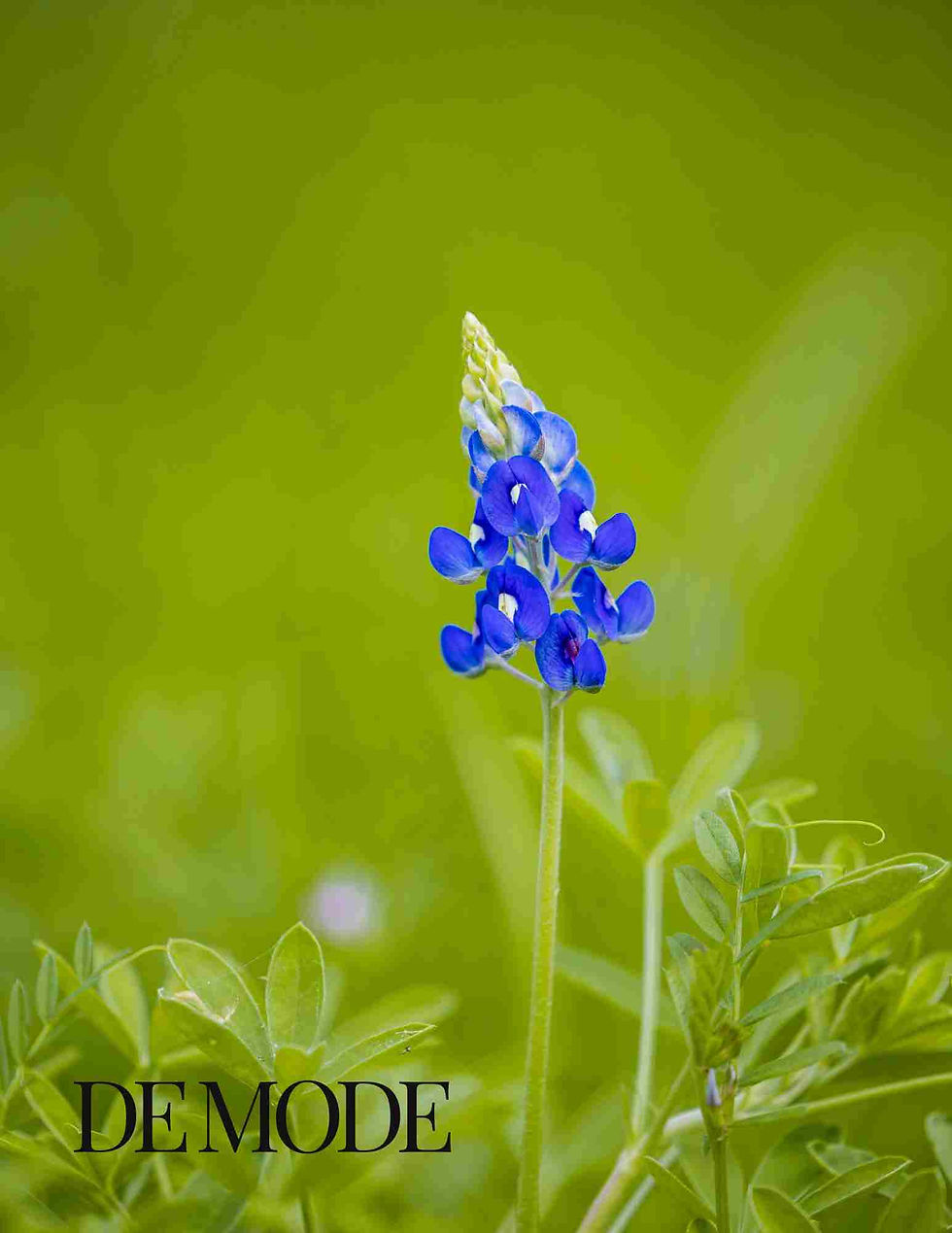
Bluebonnet (Lupinus texensis): Bluebonnet, with its iconic blue spikes and lush green foliage, is a symbol of the Texas landscape and a cherished native wildflower of the southern United States. Blooming in early spring, bluebonnets carpet fields and roadsides with vibrant hues, captivating both residents and visitors alike.
Nurturing bluebonnets in your area begins with understanding their growing requirements and life cycle. These hardy wildflowers thrive in well-drained soil and full sunlight, making them ideal for open fields, prairies, or roadside plantings. Sowing bluebonnet seeds in the fall allows them to germinate over the winter months, ensuring a spectacular display of blooms come springtime.
Beyond their aesthetic appeal, bluebonnets play a crucial role in supporting native pollinators and wildlife. Their nectar-rich flowers attract bees, butterflies, and other pollinators, contributing to the health and resilience of local ecosystems. Additionally, bluebonnets provide food and habitat for a variety of wildlife, including birds and small mammals, further enhancing biodiversity in their native habitats.
Conclusion: Nurturing native wildflowers such as black-eyed Susan, butterfly weed, and bluebonnet is a meaningful way to restore native blooms and support local ecosystems. By understanding their growing requirements and ecological significance, you can create habitats conducive to their growth and survival, contributing to the conservation of native flora and the preservation of biodiversity. Whether in meadows, prairies, or roadside plantings, these wildflowers enrich landscapes with their beauty and ecological value, reminding us of the importance of stewardship and conservation in restoring native blooms in our areas.


Comments