"INCORPORATING GLASS ELEMENTS INTO YOUR HOME DESIGN": DE MODE GLOBAL
- DE MODE

- Jul 11, 2024
- 5 min read
ORIGINALLY PUBLISHED IN DE MODE | INTERIOR
Article Published on: 11TH JULY 2024 | www.demodemagazine.com
Incorporating glass elements into your home design can dramatically enhance the aesthetic appeal and functionality of your living spaces. Glass, with its unique properties of transparency, reflectivity, and ability to manipulate light, offers endless possibilities for creating a stylish, modern, and inviting home. Here’s a comprehensive exploration of how to effectively use glass in your home design, focusing on windows, doors, partitions, furniture, and decor.
The Versatility of Glass
Glass is a highly versatile material that can be used in various forms and applications to achieve different effects. Its transparency allows for unobstructed views and light transmission, creating an open and airy feel. Reflective and frosted glass can add privacy and visual interest, while colored and textured glass can introduce vibrant and tactile elements into your space.

Benefits of Incorporating Glass
1. Natural Light: One of the most significant advantages of using glass in home design is its ability to maximize natural light. Large windows, glass doors, and skylights can flood a room with daylight, reducing the need for artificial lighting and creating a bright, cheerful atmosphere.
2. Connection to Nature: Glass can enhance the connection between indoor and outdoor spaces. Floor-to-ceiling windows, sliding glass doors, and glass walls allow you to enjoy the beauty of your surroundings while remaining comfortably indoors. This connection to nature can improve your well-being and make your home feel more expansive.
3. Modern Aesthetic: Glass elements contribute to a sleek, modern aesthetic. Their clean lines and minimalistic look complement contemporary design styles, creating an uncluttered and sophisticated environment.
4. Visual Expansion: Transparent and reflective glass can make a space appear larger than it is. By creating an illusion of depth and openness, glass elements can make small rooms feel more spacious and inviting.
Windows
1. Floor-to-Ceiling Windows: Installing floor-to-ceiling windows is a bold and effective way to incorporate glass into your home. These windows offer unobstructed views of the outside, maximize natural light, and create a seamless connection between indoor and outdoor spaces. They are particularly effective in living rooms, dining areas, and bedrooms with scenic views.
2. Bay Windows: Bay windows protrude from the exterior wall, creating a cozy nook and adding architectural interest. They not only enhance natural light but also provide additional seating or storage space. Incorporating bay windows in living rooms, kitchens, or bedrooms can add character and functionality to your home.
3. Skylights: Skylights are a fantastic way to bring natural light into areas that may not have access to exterior walls, such as bathrooms, hallways, and attics. They can make these spaces feel brighter and more open. Operable skylights can also improve ventilation.
Doors
1. Sliding Glass Doors: Sliding glass doors are a popular choice for connecting indoor and outdoor spaces. They are ideal for patios, decks, and balconies, allowing for easy access and unobstructed views. Sliding doors also save space compared to traditional swinging doors.
2. French Doors: French doors, with their multiple glass panes, add elegance and charm to any room. They can be used to separate indoor spaces while maintaining a visual connection, or to provide access to outdoor areas. French doors are versatile and can fit both traditional and contemporary design styles.
3. Glass Front Doors: A glass front door can make a striking first impression, enhancing your home's curb appeal. For privacy, consider using frosted or textured glass. Glass front doors allow natural light to enter the entryway, creating a welcoming and bright entrance.
Partitions and Walls
1. Glass Partitions: Glass partitions are an excellent way to divide spaces without sacrificing light and openness. They can be used in offices, living rooms, and bathrooms to create distinct areas while maintaining a cohesive look. Frosted or textured glass partitions offer privacy while still allowing light to filter through.
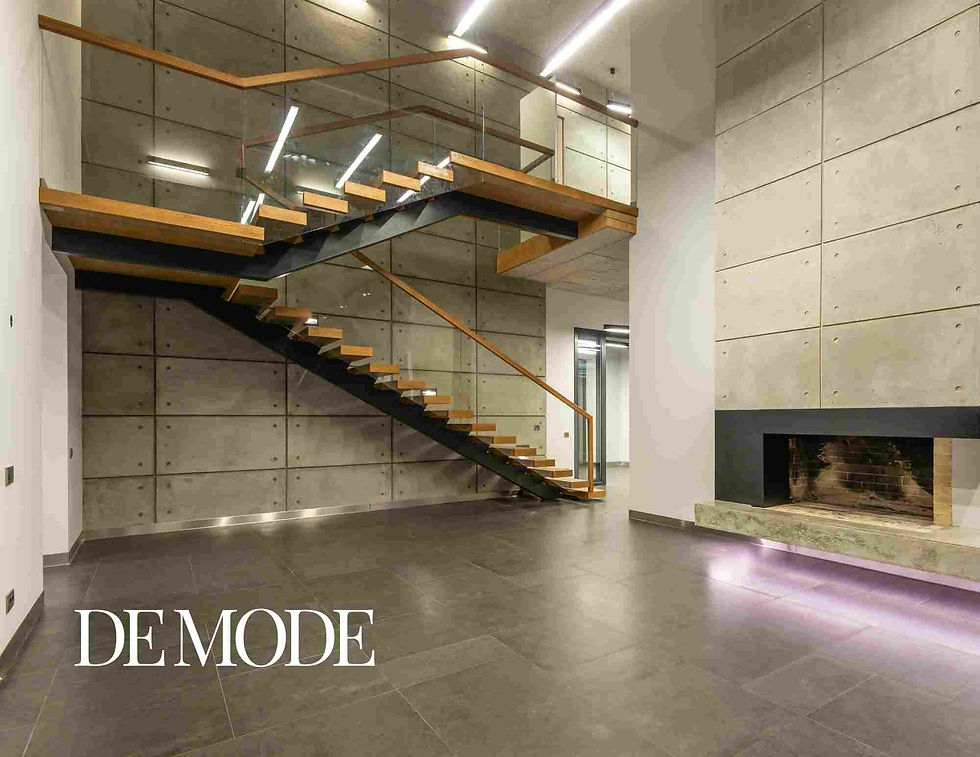
2. Glass Walls: Installing glass walls can completely transform a space, making it feel larger and more connected. They are particularly effective in open-plan layouts, where they can separate different functional areas while preserving the overall flow of the space. Glass walls can also be used to enclose staircases or create atriums.

Furniture
1. Glass Tables: Glass tables, whether dining tables, coffee tables, or side tables, add a touch of elegance and sophistication to any room. Their transparency makes them appear less bulky, helping to maintain an open and airy feel. Pairing glass tables with metal or wood bases can create a striking contrast and enhance the overall design.
2. Glass Shelving: Glass shelving is both functional and decorative. It provides a platform to display items without overwhelming the space. Glass shelves can be used in kitchens, bathrooms, living rooms, and offices to store and showcase books, decor, and other essentials.
3. Glass Cabinets: Glass-front cabinets are a stylish addition to kitchens, dining rooms, and living rooms. They allow you to display your dishes, glassware, or collectibles while protecting them from dust. Lighted glass cabinets can add a warm and inviting ambiance to your space.
Decor and Accessories
1. Mirrors: Mirrors are one of the most versatile glass elements you can incorporate into your home design. They reflect light, create the illusion of more space, and add a decorative element. Large mirrors can be used as focal points in living rooms or bedrooms, while smaller mirrors can enhance entryways and bathrooms.
2. Glass Art: Glass art pieces, such as sculptures, vases, and wall art, add a unique and artistic touch to your home. These pieces can serve as focal points and conversation starters. Colored and textured glass art can introduce vibrant hues and intricate patterns into your decor.
3. Glass Lighting Fixtures: Glass lighting fixtures, including chandeliers, pendant lights, and wall sconces, can enhance the beauty and functionality of your home. They come in various styles, from minimalist and modern to ornate and traditional. Glass fixtures can diffuse light beautifully, creating a warm and inviting atmosphere.
Practical Considerations
1. Safety: When incorporating glass into your home design, safety is a crucial consideration. Ensure that all glass elements, particularly windows, doors, and partitions, are made from tempered or laminated glass to prevent shattering and reduce the risk of injury.
2. Maintenance: Glass surfaces require regular cleaning to maintain their clarity and shine. Use appropriate cleaning solutions and techniques to prevent streaks and smudges. For hard-to-reach areas like skylights, consider professional cleaning services.
3. Energy Efficiency: To enhance energy efficiency, choose double-glazed or insulated glass for windows and doors. These options provide better insulation, reducing heat loss in winter and heat gain in summer. Additionally, low-E (low-emissivity) glass coatings can improve energy performance.
Conclusion
Incorporating glass elements into your home design can transform your living spaces, creating a bright, open, and modern environment. Whether through windows, doors, partitions, furniture, or decor, glass offers endless possibilities for enhancing both aesthetics and functionality. By thoughtfully integrating glass into your home, you can achieve a design that is not only visually stunning but also practical and inviting. Embrace the versatility and beauty of glass to create a home that reflects your style and enhances your everyday living experience.


Comments