"DYNAMIC DIRECTION -RECOGNIZING VISIONARY FILMMAKERS OF OUR TIME": DE MODE GLOBAL
- DE MODE

- Oct 31, 2024
- 5 min read
ORIGINALLY PUBLISHED IN DE MODE | MOVIES
Article Published on: 31ST OCT 2024 | www.demodemagazine.com
Dynamic direction is the cornerstone of unforgettable filmmaking, and it’s the unique vision of the director that drives the narrative, aesthetics, and emotional impact of a film. Visionary directors push boundaries, bring innovation, and craft stories that resonate deeply with audiences. Let’s explore three contemporary filmmakers whose distinct styles, pioneering techniques, and unyielding creativity have made them influential forces in modern cinema: Christopher Nolan, Greta Gerwig, and Bong Joon-ho.
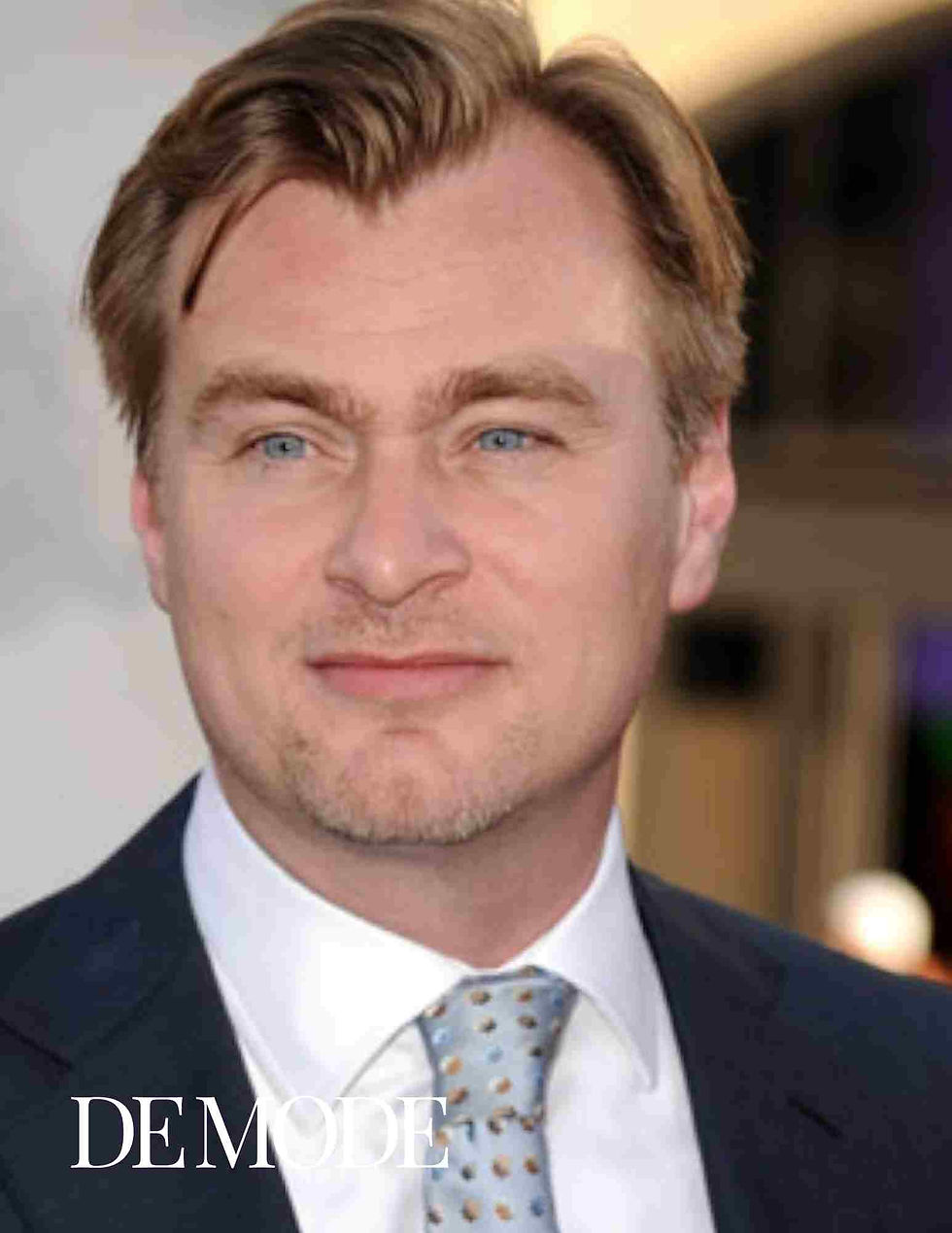
1. Christopher Nolan - Redefining Reality and Time
Few directors have redefined the concept of reality and time as boldly as Christopher Nolan. Known for his complex narratives and nonlinear storytelling, Nolan has carved out a unique space within Hollywood, combining commercial appeal with cerebral themes. His work explores the boundaries of human consciousness, memory, and perception, often focusing on the fluidity of time and the psychological depths of his characters. Films like Inception (2010), Interstellar (2014), and Tenet (2020) are intricate puzzles that challenge audiences to think, feel, and even re-watch to unravel their mysteries.
Nolan’s signature approach involves practical effects, which add a grounded realism to his films, a method that has become increasingly rare in an era dominated by CGI. For instance, in Inception, he used rotating sets to create the illusion of gravity-defying spaces, capturing awe-inspiring visuals that heightened the narrative’s exploration of dreams and reality. In Interstellar, he consulted astrophysicist Kip Thorne to accurately portray black holes and gravitational time dilation, achieving a level of scientific fidelity seldom seen in sci-fi cinema. Nolan’s preference for shooting on film, combined with his commitment to IMAX cameras, has elevated his visuals to a level of immersive detail that resonates with audiences worldwide.
Thematically, Nolan explores moral ambiguity, the human psyche, and existential questions. He often casts complex, morally ambivalent characters whose motives and actions are open to interpretation. His dedication to intricate plots and thought-provoking themes has cemented his reputation as a visionary who consistently challenges cinematic norms. Nolan’s contributions have left a lasting imprint on Hollywood, inspiring a new generation of directors to embrace complexity and creativity, making him one of the most influential filmmakers of the 21st century.
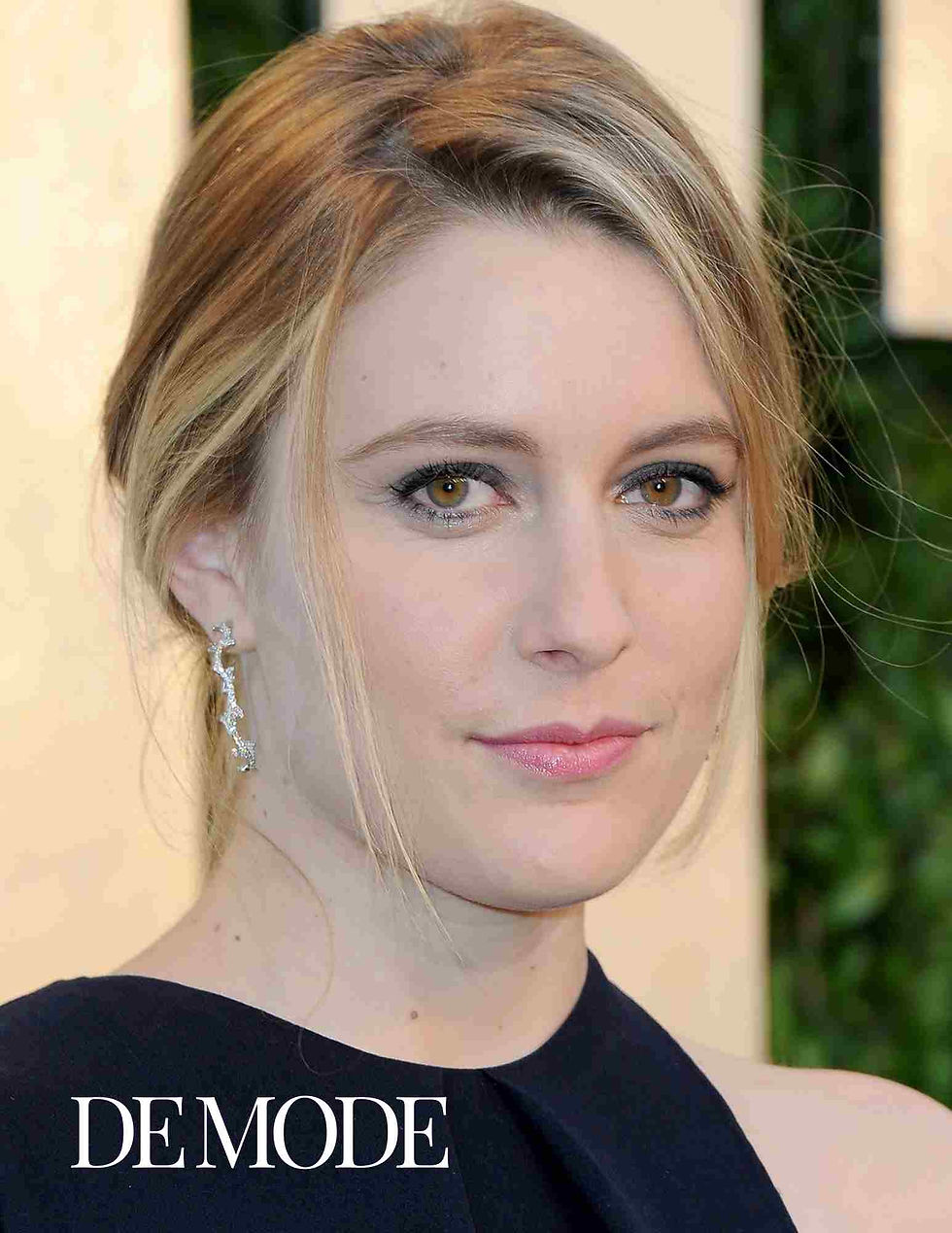
2. Greta Gerwig - A Fresh Perspective on Feminine Narratives
Greta Gerwig is celebrated for her deeply personal, emotionally resonant, and character-driven storytelling that brings fresh perspectives to the female experience. As an actress turned director and screenwriter, Gerwig brings an intimate knowledge of character portrayal to her direction, allowing her to create empathetic, multidimensional female characters. Her films, Lady Bird (2017) and Little Women (2019), both received critical acclaim for their honest exploration of femininity, identity, and the search for self in a world of expectations and limitations.
In Lady Bird, Gerwig brings us into the tumultuous world of a high school senior who is navigating her final year of school, her family relationships, and her ambitions for life beyond Sacramento. Through authentic dialogue, detailed character development, and nuanced storytelling, Gerwig captures the struggles and triumphs of adolescence, particularly from a young woman’s perspective. Lady Bird was lauded for its realistic portrayal of mother-daughter relationships, and Gerwig’s direction earned her an Academy Award nomination, marking her as a standout director in a male-dominated industry.
In Little Women, Gerwig reimagined the classic Louisa May Alcott novel by intertwining the past and present in a nonlinear narrative. She brought new depth to characters familiar to generations of readers, focusing on themes of economic independence, artistic ambition, and the limitations placed on women. Her nuanced understanding of these themes reflects her own perspective as a female filmmaker, infusing the film with a contemporary energy while maintaining historical authenticity. Gerwig’s approach gave audiences a fresh interpretation of the March sisters, bringing a sense of timelessness and relevance to the story.
Gerwig’s work is a testament to the power of female-driven storytelling. By exploring the complexities of her characters with empathy and authenticity, she has shifted the landscape of cinema, encouraging more female filmmakers to bring their voices and experiences to the screen. Her success and acclaim have also opened doors for further inclusion and representation in the industry, solidifying her status as a visionary filmmaker of her generation.
3. Bong Joon-ho - Blending Genres to Challenge Social Structures
South Korean filmmaker Bong Joon-ho has become one of the most influential directors in modern cinema, known for his unique ability to blend genres and tackle complex social issues. His films often explore class struggle, economic disparity, and the human condition, using dark humor and suspense to reveal uncomfortable truths about society. Bong’s Parasite (2019) made history as the first non-English language film to win the Academy Award for Best Picture, propelling him into the international spotlight and demonstrating the universal appeal of his storytelling.
Bong’s filmmaking style is characterized by his ability to mix genres, seamlessly blending elements of horror, comedy, drama, and thriller to create a unique viewing experience. Parasite, for instance, is a dark social satire that takes unexpected twists, exploring the divide between the wealthy Park family and the impoverished Kim family. Bong’s use of visual metaphors—like the stark architectural contrast between the two families' homes—intensifies the narrative, making the wealth gap visually and viscerally impactful for audiences. Through meticulously crafted scenes and unexpected tonal shifts, Bong sheds light on social hierarchies and the inherent injustice within them.
Another hallmark of Bong’s direction is his use of tension to keep audiences engaged and off-balance. In Snowpiercer (2013), a sci-fi thriller set on a train carrying the last remnants of humanity, Bong illustrates social stratification by confining different classes to specific train compartments. As the protagonist moves forward, challenging the status quo, the film builds tension and suspense, revealing harsh realities about class, privilege, and survival. Bong’s willingness to tackle such pressing issues has won him acclaim and respect, with critics and audiences alike praising his fearless, unflinching portrayals of the human cost of social inequality.
By refusing to adhere strictly to genre conventions, Bong has created a body of work that is both entertaining and thought-provoking, sparking global conversations about societal norms and the systems that shape them. His ability to cross cultural boundaries while addressing universally relevant themes has set him apart as one of the most significant directors of our time.

Conclusion: Visionaries Shaping the Future of Cinema
Christopher Nolan, Greta Gerwig, and Bong Joon-ho are three visionary directors who have expanded the language of cinema through their distinctive styles, thematic explorations, and innovations. Each brings a unique perspective to filmmaking, yet they share a common goal: to challenge audiences, evoke thought, and push the boundaries of what cinema can achieve.
Nolan’s exploration of time, perception, and moral ambiguity has transformed how we view narrative structure and has inspired a generation to embrace intellectual complexity in film. Gerwig’s focus on authenticity and the female experience brings fresh and necessary perspectives to the industry, challenging the representation of women and redefining femininity on screen. Bong’s masterful blend of genres and focus on social critique forces audiences to confront uncomfortable truths about society, using entertainment as a vehicle for thought-provoking commentary.
These filmmakers exemplify the power of dynamic direction. Through their vision and creativity, they continue to redefine the possibilities of storytelling, expanding cinema’s role as both an art form and a platform for exploring the human condition. By challenging conventions and offering fresh perspectives, Nolan, Gerwig, and Bong remind us of the transformative potential of cinema to inspire, provoke, and connect us all in new and meaningful ways. As their influence grows, these visionary filmmakers will no doubt continue to shape the future of cinema, inspiring audiences and aspiring directors for generations to come.


Comments