
A Guide To Cooking With Edible Flowers

ORIGINALLY PUBLISHED IN DE MODE
Article Published on: 10TH APR 2026 | www.demodemagazine.com
Cooking with edible flowers is a beautiful way to elevate both the flavor and presentation of your dishes. From vibrant salads to delicate desserts, these natural ingredients bring color, aroma, and subtle taste to everyday meals. However, it’s essential to understand which flowers are safe and how to use them properly.
First and foremost, always choose edible flowers that are specifically grown for consumption. Popular options include rose petals, lavender, hibiscus, marigold, and nasturtium. Avoid flowers from florists or roadsides, as they may contain harmful pesticides or chemicals.
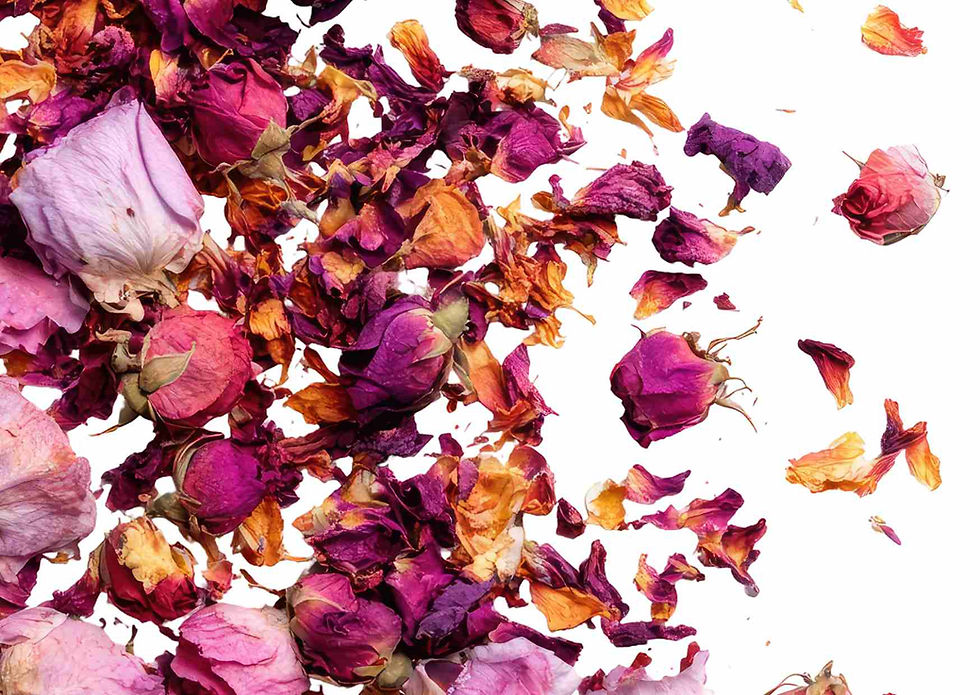
Each flower offers a unique flavor profile. For example, lavender has a slightly sweet, floral taste perfect for baking, while nasturtium adds a peppery kick to salads. Hibiscus is tart and works wonderfully in teas and syrups, and rose petals can add a delicate sweetness to desserts and jams.
Preparation is key when working with edible blooms. Gently wash the flowers and remove any stamens or bitter parts. Most recipes use only the petals, as they contain the best flavor and texture. Always taste a small amount first to ensure it complements your dish.
Edible flowers can be used in a variety of ways. Add them fresh to salads for a pop of color, infuse them into syrups or teas, or bake them into cakes and cookies. They also make stunning garnishes for drinks and desserts, instantly enhancing visual appeal.
When storing edible flowers, keep them in a cool, dry place or refrigerate them in an airtight container lined with a damp paper towel. Use them quickly, as they are delicate and can wilt easily.
By understanding the basics of safety, flavor pairing, and preparation, you can confidently experiment with edible flowers and transform ordinary dishes into visually stunning and delicious creations.


Comments