"THE ROLE OF FATHERS IN MODERN PARENTING - BREAKING STEREOTYPES": DE MODE GLOBAL
- DE MODE

- Feb 12, 2024
- 3 min read
ORIGINALLY PUBLISHED IN DE MODE | FAMILY & PARENTING
Article Published on: 12TH FEB 2024 | www.demodemagazine.com
The role of fathers in modern parenting is undergoing a profound transformation, challenging traditional stereotypes and expanding the definition of fatherhood to encompass a more diverse and inclusive range of experiences. In today's society, fathers are increasingly recognized as equal partners in the parenting journey, contributing to their children's emotional, cognitive, and social development in meaningful and impactful ways. By breaking down outdated gender norms and embracing a more equitable and inclusive approach to parenting, fathers are redefining what it means to be actively engaged and involved caregivers in the lives of their children.

Historically, the role of fathers in parenting has been overshadowed by traditional gender roles that emphasized men as breadwinners and women as primary caregivers. However, as societal attitudes toward gender and family dynamics continue to evolve, fathers are challenging these stereotypes and actively participating in all aspects of child-rearing, from diaper changes and bedtime routines to school activities and emotional support. By actively engaging with their children on a daily basis, fathers are fostering strong bonds and nurturing meaningful relationships that lay the foundation for healthy development and lifelong connections.
One of the most significant shifts in modern parenting is the recognition of fathers as nurturers and caregivers, capable of providing emotional support, affection, and guidance to their children. Gone are the days when fathers were expected to be distant and uninvolved figures in their children's lives. Today, fathers are embracing their roles as caregivers with warmth, compassion, and empathy, creating nurturing environments where their children feel loved, supported, and valued.
Furthermore, the rise of involved fatherhood has been accompanied by a growing body of research highlighting the unique contributions that fathers make to their children's development. Studies have shown that children who have involved fathers tend to have higher self-esteem, better academic performance, and stronger social skills. Additionally, fathers play a crucial role in fostering resilience, independence, and emotional intelligence in their children by providing them with a secure and supportive foundation from which to explore the world.
In addition to emotional support, fathers also play a critical role in modeling positive behaviors and values for their children. From demonstrating respect and kindness in their interactions with others to modeling healthy communication and conflict resolution skills, fathers serve as powerful role models for their children, shaping their attitudes, beliefs, and behaviors in profound and lasting ways. By embodying values such as empathy, integrity, and responsibility, fathers instill important moral and ethical principles that guide their children's actions and decisions throughout their lives.
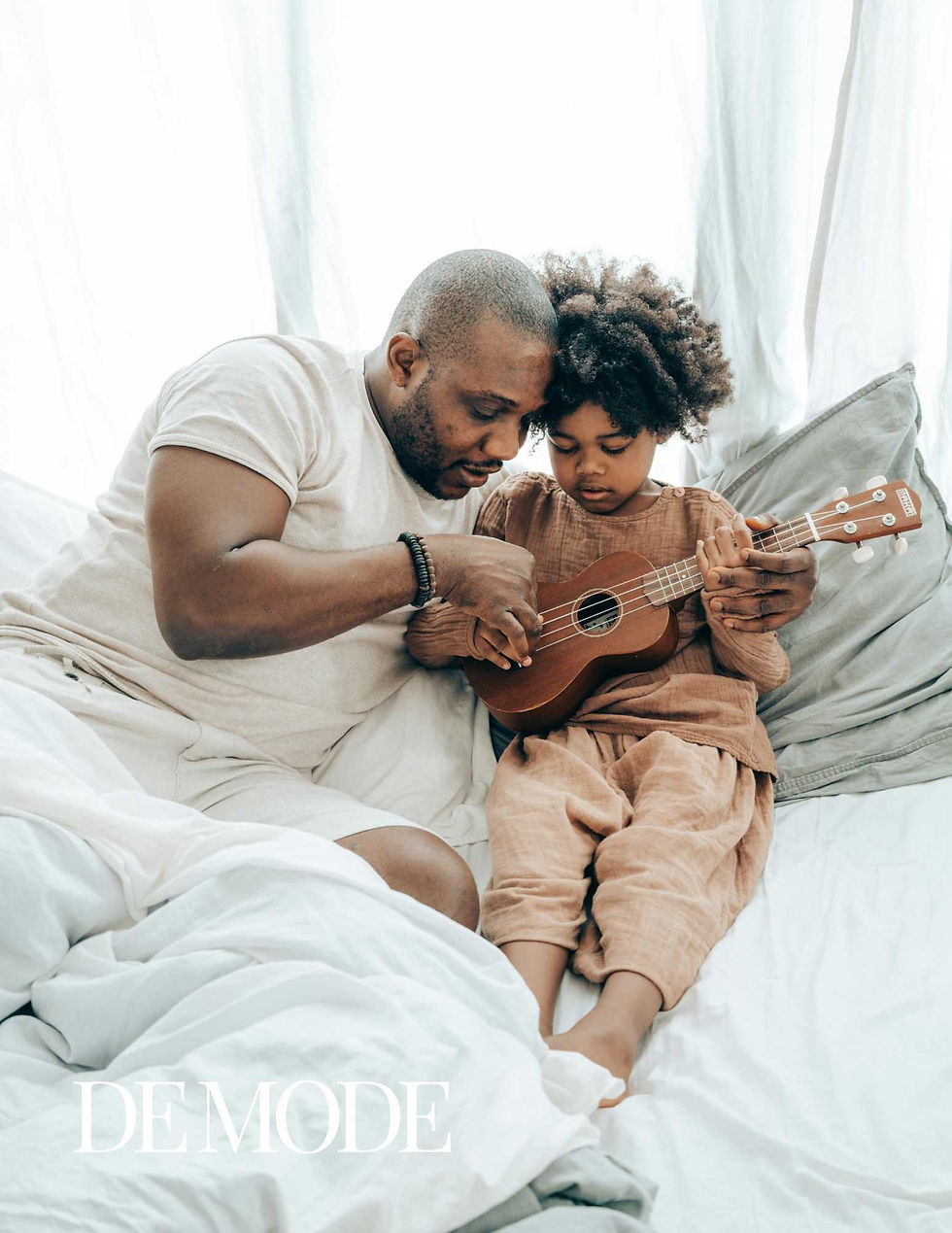
Moreover, the rise of dual-income households and shifting societal attitudes toward gender roles have led to a greater emphasis on shared parenting responsibilities between mothers and fathers. In today's modern families, fathers are actively involved in all aspects of childcare, from feeding and bathing infants to attending parent-teacher conferences and coaching sports teams. By sharing the responsibilities of parenting more equitably, fathers and mothers are able to support each other in their caregiving roles and create more balanced and harmonious family dynamics.
Breaking stereotypes also involves challenging cultural norms and expectations surrounding fatherhood, particularly around issues of masculinity and vulnerability. Traditionally, men have been socialized to suppress their emotions and adhere to rigid ideals of strength and stoicism. However, modern fathers are redefining masculinity by embracing vulnerability, expressing their emotions openly, and seeking support when needed. By demonstrating emotional intelligence and authenticity, fathers are fostering healthier relationships with their children and serving as positive role models for emotional expression and self-awareness.
Furthermore, the role of fathers extends beyond the nuclear family unit to encompass broader societal and community influences. Fathers play a crucial role in shaping the attitudes and behaviors of future generations by promoting gender equality, challenging harmful stereotypes, and advocating for social justice and inclusion. By modeling respect, empathy, and acceptance in their interactions with others, fathers can help create a more equitable and compassionate world for their children to inherit.

In conclusion, the role of fathers in modern parenting is evolving to reflect changing societal attitudes and expectations surrounding gender, family, and caregiving. By breaking stereotypes and embracing a more inclusive and equitable approach to parenting, fathers are redefining what it means to be actively engaged and involved caregivers in the lives of their children. Through emotional support, positive role modeling, shared parenting responsibilities, and advocacy for social change, fathers are shaping the future of fatherhood and paving the way for a more compassionate, nurturing, and equitable world for generations to come.


Comments